-
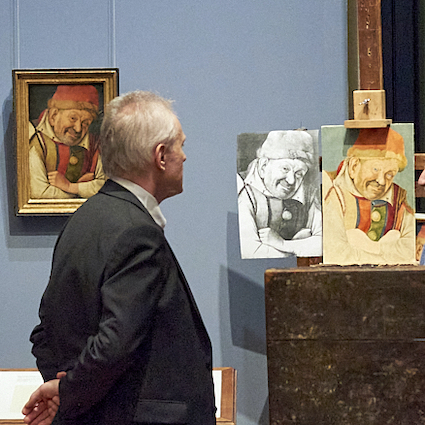
Learning through Imitating
Scrolling through any social media platform presents you with a mind-numbing series of photos of the same scene from the same place in the same light and processed through the same filter. They seem to have been taken merely to post to the internet in the hopes of garnering likes, or whatever counts as social […]
-
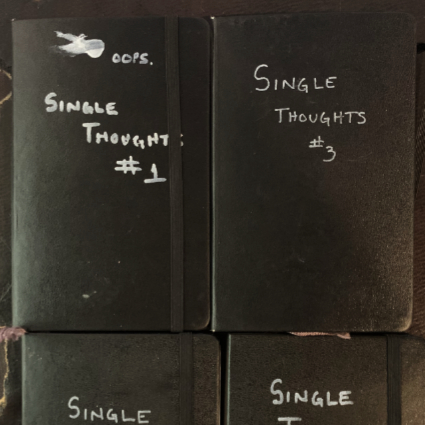
Daily Thoughts
For a number of years now I have each morning written down a single thought. I had assumed a thought a day would be easy. It has been at times, however, surprisingly difficult. Some mornings I stare at the blank page and struggle to produce a thought, one that is my own. I take drink […]
-
Familiarity of Place
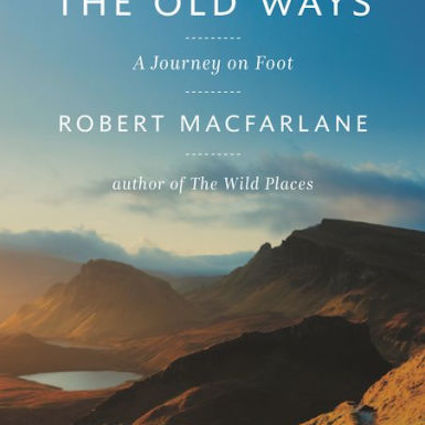
And all had, after long acquaintance, at last understood that familiarity with a place will not lead to absolute knowledge but only to ever further enquiry. R. Macfarlane, The Old Ways (2013), 111
-
Movement of the Imagination
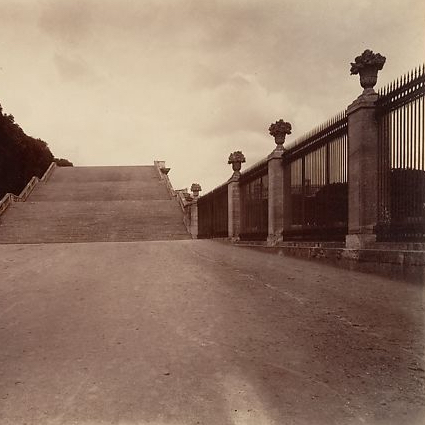
… the photographer’s main problem, like that of the landscape architect, is to establish a point of view which directs the movement of the imagination. Caption to E. Atget’s photograph, “The Orangerie Staircase.”
-
Amateurs and Art
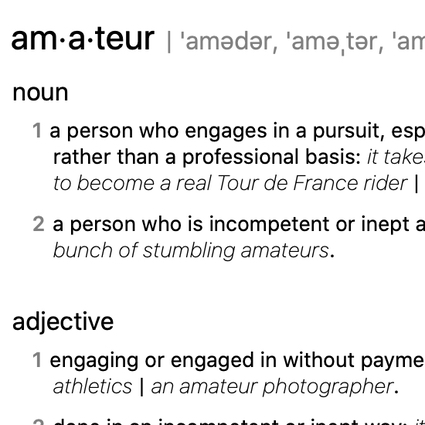
I wonder why we have come to use “amateur” as a pejorative adjective when applied to photographers. People tend to elide the gap between the trite definition of an amateur — somebody who doesn’t earn a living or much money taking pictures — and the more condescending definition — somebody who is inept at taking […]
-
Simplifying quotation
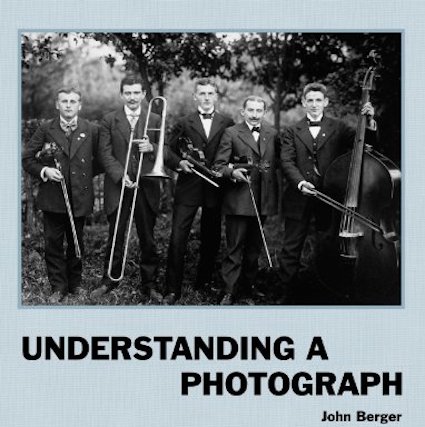
Every photographer knows that a photograph simplifies.… A photograph quotes from appearances but, in quoting, simplifies them. This simplification can increase legibility. John Berger, Understanding a Photograph (2013), 74
-
For the thing itself …
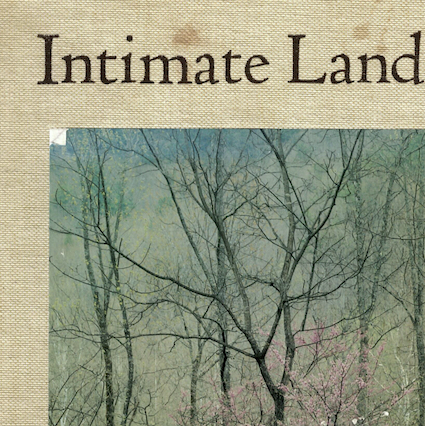
I do not photograph for ulterior purposes. I photograph for the thing itself—for the photograph—without consideration of how it may be used. Eliot Porter, Intimate Landscapes (New York, 1979), 11
-
A Case for Postcards
Postcards are, in many ways, the opposite of snapshots. They are carefully timed, sometimes staged, usually aspirational scenes. I say aspirational because they project a longed-for and idealized experience. They also tend to homogenize our experiences of a place, produced as they are by a tourism industry that seeks to commodify and promote particular destinations. […]
-
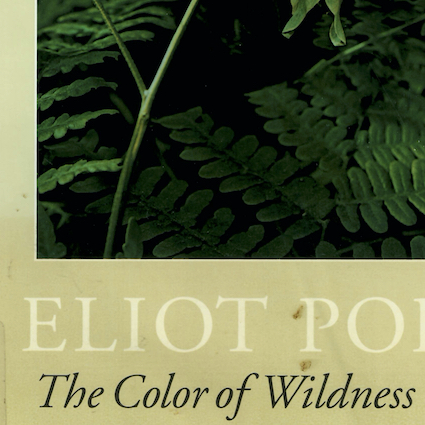
The details of nature …
The details of nature become more interesting, and the become more beautiful too, as one becomes more aware of them. Eliot Porter, The Color of Wildness (New York, 2001), 132
-

In Praise of Snapshots
Snapshots don’t receive the love and affection they deserve. Snapshots, those quick photos dashed off with little thought or planning. They are often out of focus, not level, too bright or too dark, and poorly composed, if at all. Faded, bent, and torn snapshots fill equally faded albums and dusty boxes on the top shelves […]